
Eight Countries, One Table: The World Inside The Peace Cookbook
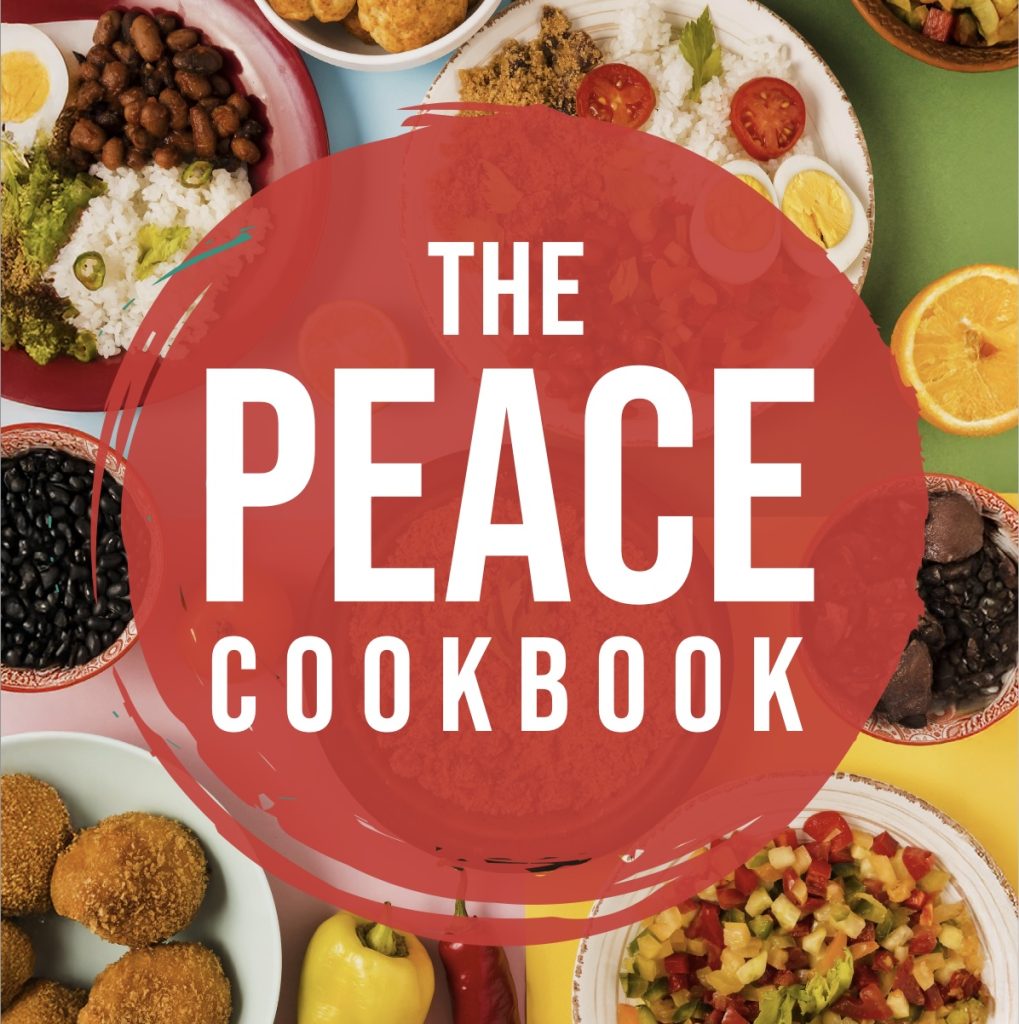
The countries represented in The Peace Cookbook, written by cultural envoy Wheeler del Torro in collaboration with the Foundation for Post Conflict Development (FPCD), were not chosen arbitrarily. Each carries a distinct relationship with conflict, recovery, and the enduring strength of its food traditions. Together, they form a table that spans continents and histories, united by a single conviction: that culture is one of the most powerful forces for human connection we have.
Two additional chapters reflect the institutional and diplomatic home of this project. Monaco, where FPCD conducts much of its international engagement, and the United States, where FPCD is headquartered, are included not as post-conflict contexts but as sites of cultural convergence. Both chapters explore what culinary fusion reveals about identity, diplomacy, and the meeting of worlds.
What follows is an introduction to each of the ten chapters, presented in the order they appear in the book.
Afghanistan
Afghan cuisine is defined by generosity. To feed a guest is an expression of honor, and the plant-based traditions in this chapter carry that spirit in every preparation. These recipes reflect a culture of extraordinary hospitality that has persisted across decades of conflict and displacement.
Burundi
Burundi’s culinary traditions are centered on the land and the community that tends it. The plant-based foods in this chapter are a reminder of what endures when so much else is uncertain, rooted in the agricultural rhythms that have sustained Burundian communities through periods of profound instability.
Cote d’Ivoire
Cote d’Ivoire’s food traditions reflect the richness of West African culinary culture. This chapter brings those traditions into conversation with questions of post-conflict recovery and national identity, exploring how food has served as both sustenance and social glue in the country’s ongoing reconciliation.
Cyprus
Divided for decades, Cyprus offers a unique lens on what food can do in a society still navigating reconciliation. Shared culinary traditions across the island’s communities point toward a common heritage that politics has not fully severed, offering a quiet argument for what might still be possible.
Haiti
Haiti’s food culture is vibrant, layered, and deeply tied to identity. This chapter explores a culinary tradition that has persisted through colonial history, natural disaster, and political upheaval with remarkable vitality. To cook Haitian food is to participate in a culture that has refused, repeatedly and definitively, to be diminished.
Monaco
Monaco’s chapter occupies a distinctive place in the book. As the site of much of FPCD’s international diplomatic engagement and a crossroads of European and Mediterranean culture, Monaco represents something different from the post-conflict contexts that anchor the rest of the book. Its cuisine is a story of cultural fusion, of French technique meeting Italian influence meeting the flavors of the broader Mediterranean world. This chapter asks what it looks like when culinary traditions converge rather than compete.
Sierra Leone
Sierra Leone’s food traditions are deeply communal, rooted in the idea that a meal is never meant to be eaten alone. This chapter explores the plant-based ingredients and preparations that have sustained communities through extraordinary hardship, and that continue to hold communities together in the long work of recovery.
Syria
Syrian cuisine is one of the oldest and most sophisticated in the world, rooted in thousands of years of agricultural tradition. The plant-based dishes in this chapter reflect a culture of abundance, hospitality, and resilience that has survived long beyond the headlines. They are also a record of what Syrian families have carried with them into displacement, preserving identity through the act of cooking.
Timor-Leste
One of the world’s youngest nations, Timor-Leste has been rebuilding its identity since independence. Its food reflects both indigenous traditions and the layered influences of its history, offering a portrait of a people actively constructing their future from the ingredients of their past.
The United States
As FPCD’s institutional home, the United States chapter invites readers to look inward. American food culture is itself a story of fusion, of traditions arriving from every corner of the world and finding new expression in new soil. This chapter asks what it means to contribute to a global conversation about peace and cultural exchange from a country whose own culinary identity was built on exactly that exchange.
The Peace Cookbook is not yet available for purchase. Register on its official website to be notified of its launch, and to express interest in securing a limited signed edition or attending the exclusive New York City launch event. All proceeds benefit FPCD.