By Casey McKay, Youth Representative, The Foundation for Post Conflict Development
Peacebuilding is often associated with formal negotiations, international institutions and agreements between governments. But the relationships that sustain peace can also be built in much more familiar spaces, including around a shared table.
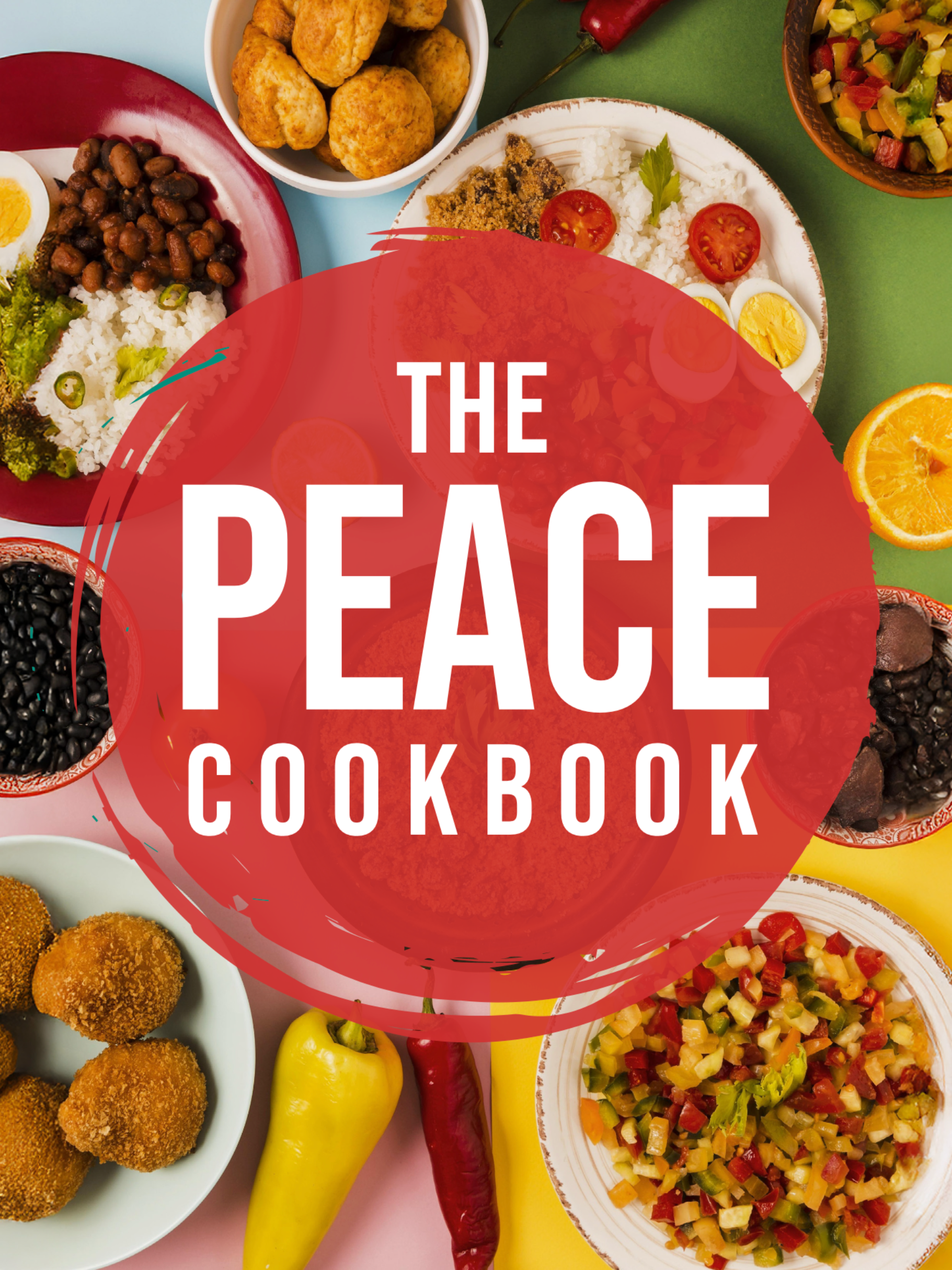
That idea lies at the heart of The Peace Cookbook, developed with The Foundation for Post Conflict Development and through its collaboration with the g7+. The Peace Cookbook highlights g7+ member countries while exploring food, memory, culture and hospitality as tools for human connection and cultural diplomacy. Ahead of its launch, I conducted a written Q&A with Wheeler del Torro, cultural envoy and architect of The Peace Cookbook, on the inspiration behind the project, the role food can play in rebuilding relationships after conflict, and how young people can take part in peacebuilding outside traditional diplomatic spaces.

Casey McKay: What inspired you to create The Peace Cookbook, and why did you choose food as a way to explore peace and human connection?
Wheeler del Torro: The Peace Cookbook grew out of more than two decades of traveling and working across more than 100 countries. I was born in Cuba, my maternal roots are in Jamaica, and I spent part of my childhood in London before coming to the United States. From an early age, I understood that identity can cross borders.
What I observed over and over again was that people who disagreed politically could still sit at the same table. They might not begin with trust, but sharing food still provided an opportunity for connection. It lowered defenses and allowed people to recognize one another as human beings before confronting the issues that divided them.
That led me to a simple idea: food doesn’t create trust, but it opens the door that lets it build. It became the language when other languages failed.
I wanted to apply that same idea to nations whose stories are too often told only through their conflicts. That’s what became The Peace Cookbook, developed with the Foundation for Post Conflict Development and through its collaboration with the g7+. It aims to highlight g7+ member countries while preserving their recipes, dignity, memories and cultural knowledge. It is a cookbook, but its larger purpose is to demonstrate how hospitality and shared cultural experiences can become instruments of diplomacy.
Casey McKay: What role can shared food traditions play in rebuilding relationships or strengthening communities affected by conflict?
Wheeler del Torro: Conflict does more than damage governments and institutions. It damages trust between neighbors, families and communities. Rebuilding that trust requires more than signing an agreement. People need opportunities to gather again and experience one another outside the language of conflict.
Food can help create that space because it carries memory. A recipe can remind someone of a parent, a childhood home or a community gathering. Preparing and sharing that food can help people recover a sense of continuity and belonging.
A shared meal does not erase injustice or resolve political differences. We should never romanticize it that way. But it can create the human conditions that make a difficult conversation possible. At the table, people listen differently. The act of dining together prompts people to exchange stories, recognize common experiences and sometimes discover that what connects them is older and deeper than what divided them.
Peace is not sustained by governments alone. It must also be practiced in homes, schools, neighborhoods and communities. The table can become one of those places of practice.
Casey McKay: Were there any stories, recipes or people you encountered that changed how you think about peacebuilding?
Wheeler del Torro: Working with President José Ramos-Horta had a profound effect on me. He is not only the president of Timor-Leste and a Nobel Peace Prize laureate; he is someone whose understanding of peace comes from lived experience. His involvement, alongside the introduction by H.S.H. Prince Albert II of Monaco, showed me that a project can connect very different worlds, from communities recovering from conflict to international institutions, through a shared language of culture and human dignity.
I was also affected by the people represented through the g7+ nations. Their countries are often discussed only through the language of war, poverty or political instability. But when you approach them through their food, you encounter creativity, generosity, family traditions and cultural pride. You see people as the authors of their own identities rather than simply as victims of conflict.
That changed how I think about peacebuilding. I came to understand that peace is not something powerful nations deliver to other people. It must grow from the culture, memory and knowledge already present within a community.
Casey McKay: What do you hope The Peace Cookbook teaches young people about contributing to peace?
Wheeler del Torro: I want young people to understand that diplomacy does not belong exclusively to presidents, ambassadors or institutions. Those roles are important, but peace is also shaped by ordinary human behavior: how we welcome people, how we listen, how we respond to differences and whether we are willing to remain in conversation.
A young person does not need an official title to practice diplomacy. They can organize a shared meal, learn the history behind another culture’s food, invite someone into a conversation or challenge the way a country or community is stereotyped. These may appear to be small actions, but peace is often built through small actions repeated consistently.
I also want them to understand that their own culture has diplomatic value. Their family recipes, stories and traditions are not insignificant. They can become ways of educating others and building connections across differences.
The larger lesson of The Peace Cookbook is that everyone has something they can bring to the table. You may not be able to negotiate a peace treaty, but you can help create the trust, respect and human connection without which no peace treaty can survive.
Bringing cultural diplomacy to the table
Del Torro’s reflections highlight an idea at the heart of cultural diplomacy: peacebuilding does not take place only through formal negotiations or international institutions. It can also begin through the relationships, traditions, memories and everyday interactions that allow people to better understand one another.
The Peace Cookbook offers a particularly accessible way for young people to see themselves within that process. While traditional diplomacy can feel distant from everyday life, sharing cultural traditions, learning the stories of other communities, challenging stereotypes and remaining willing to engage across differences are all ways individuals can help build human connection. Perhaps its message is best captured in del Torro’s own words: “Everyone has something they can bring to the table.”
This story first appeared in the FPCD Newsletter, September 2026.