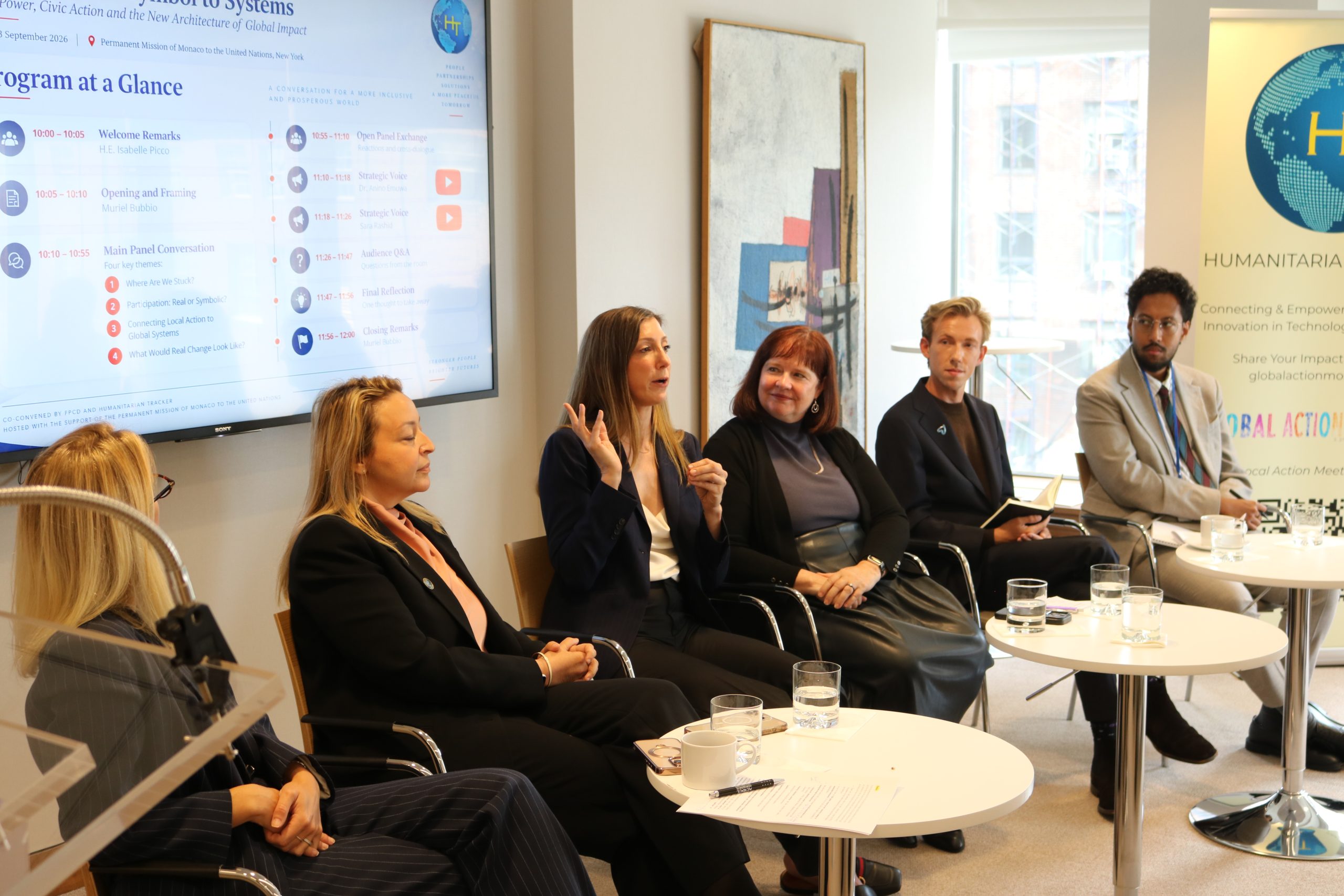
On September 23, 2026, The Foundation for Post Conflict Development and Humanitarian Tracker co-convened UN 3.1: From Symbol to Systems, a side event on soft power, civic action and the new architecture of global impact, held on the margins of the 81st session of the United Nations General Assembly. The event was hosted with the support of the Permanent Mission of Monaco to the United Nations in New York.
From UN 3.0 to UN 3.1
UN 3.1 is the second chapter of the UN 3.x series, a new format of interactive workshops through which FPCD is putting its strategy for 2026–2030, The Soft Power Axis: A Cultural Diplomacy Pact for the Future, into practice. Where UN 3.0, convened during the 70th session of the Commission on the Status of Women in March 2026, asked who should shape the future of peace and prosperity, UN 3.1 asked how that future can be built through systems that are inclusive, intergenerational and action-oriented.
Set in the implementation era of the Pact for the Future, the conversation moved from representation to implementation, from recognition to systems, and from vision to visible impact.
The conversation
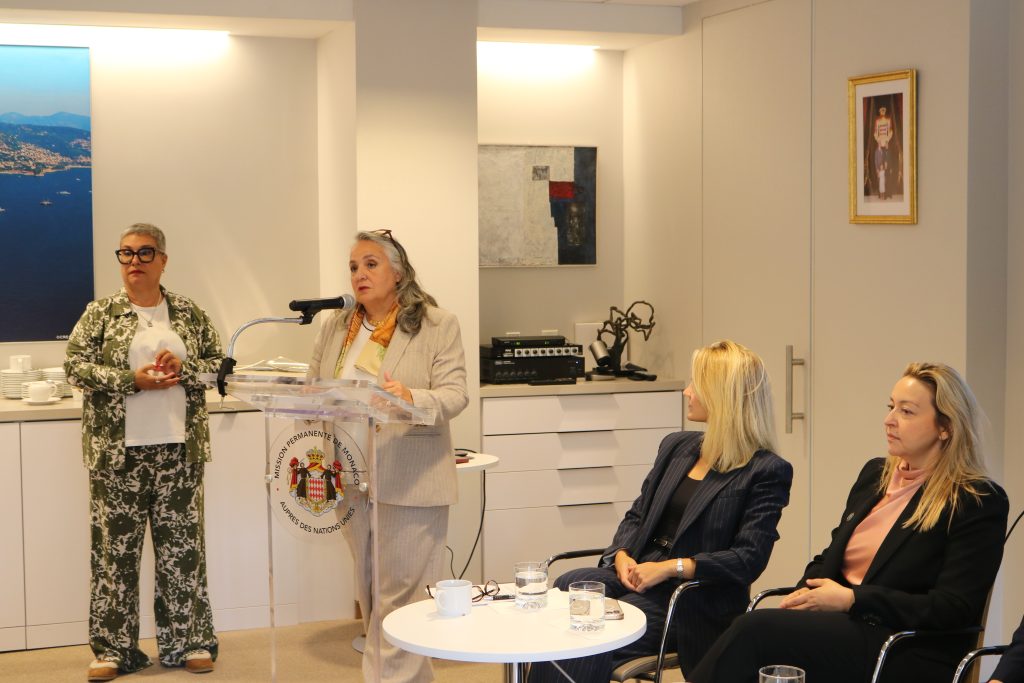
H.E. Ambassador Isabelle Picco, Permanent Representative of the Principality of Monaco to the United Nations, opened the event with welcome remarks. Muriel Bubbio, Vice-President of FPCD and President of FPCD Monaco, framed the discussion and moderated the panel.
The main panel brought together Maria Caterina Migliorero, Habib Ur Rehman Mayar, Hend Alhinnawi, Jeni Craswell, Elizabeth “Liz” DiLuzio and Colton Rothwell, FPCD’s Representative to the United Nations and Head of Delegation. Their conversation moved through four themes:
- Where are we stuck? With the Pact for the Future, commitments and frameworks in place, where does the real implementation gap lie, and how does it look from the perspective of fragile and conflict-affected countries and from the civic action side?
- Participation, real or symbolic? When does participation become meaningful rather than symbolic, are young people genuinely shaping decisions, and are institutions changing quickly enough?
- Connecting local action to global systems. How can global frameworks connect with local ownership without weakening it, what can technology realistically achieve, and how do we know whether those connections are genuinely useful rather than simply more visible?
- What would real change look like? What would we need to see in two years to say we have moved from symbol to systems, and what would have to change in leadership behavior for that to happen?
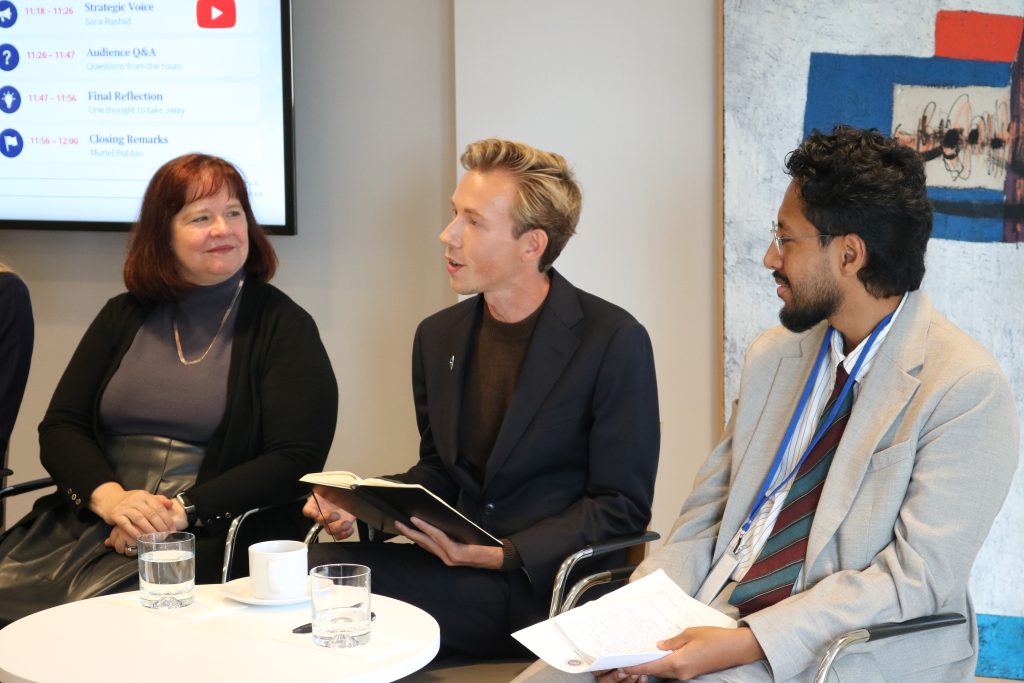
Speaking from the youth perspective, Colton Rothwell addressed whether young people are genuinely shaping decisions or are still too often invited into the room after the important decisions have been made, and what would make his generation believe that change is real.
Strategic Voices
Two Strategic Voices followed the main panel and an open exchange among the speakers. Dr. Anino Emuwa spoke on the leadership required for the next phase of the United Nations and multilateral cooperation. Sara Rashid reflected on what moving from symbol to systems means for children, families and communities living with the consequences of conflict.
The program closed with questions from the audience and a final reflection from all speakers.
Two complementary approaches
The event brought together FPCD’s Soft Power Axis, which advances a people-centered vision of peacebuilding rooted in cultural, humanitarian, educational and preventive diplomacy, and Humanitarian Tracker’s Global Action Mosaic, which connects civic engagement by helping to visualize, amplify and link action across communities and sectors.
Together, the two organizations share a conviction: the future of multilateralism depends on the ability to connect institutions, citizens, youth and communities through systems that are human-centered, participatory and impact-driven.
Building on the momentum of UN 3.0, UN 3.1 marks a new stage in the UN 3.x journey: from aspiration to architecture, from symbolic recognition to practical systems, and from global commitments to shared impact.