
What Resilience Tastes Like
Resilience is a word that gets used frequently in post-conflict work, sometimes so frequently that it begins to lose its meaning. The Peace Cookbook, written by cultural envoy Wheeler del Torro in collaboration with the Foundation for Post Conflict Development (FPCD), is, among other things, an attempt to give it back.
The food traditions documented across these chapters survived things that should have erased them. Displacement. Destruction. The deliberate targeting of cultural identity that so often accompanies conflict. And yet they persisted, carried by families across borders, recreated from memory, adapted to new ingredients and new circumstances without losing their essential character.
This is what resilience actually looks like. Not an abstraction, but a recipe passed from a grandmother to her granddaughter in a refugee camp. A dish prepared for a community gathering in the aftermath of violence. A meal that insists, quietly and stubbornly, that life continues and culture endures.
Each of the eight post-conflict chapters in The Peace Cookbook tells this story in a different register, shaped by the particular history and food culture of each country. What follows is a glimpse into how resilience expresses itself across each of them.
Afghanistan: Hospitality as Resistance
In a country that has experienced decades of conflict, the Afghan tradition of radical hospitality, of feeding guests regardless of circumstance, represents a form of cultural resistance. The plant-based recipes in this chapter carry that defiance. They are dishes that insist on generosity even when generosity is costly.
Burundi: The Long Work of Recovery
Burundi’s recovery from conflict has been slow, non-linear, and deeply dependent on community-level relationship-building. The food traditions documented in this chapter reflect that patient, ground-up process. These are dishes that require time, attention, and care, qualities that the work of peace also requires.
Cote d’Ivoire: Feeding Through Division
Cote d’Ivoire’s civil conflict tested the social fabric of a country known for its hospitality and communal food culture. The plant-based traditions in this chapter are a record of what endured through that testing, rooted in a West African culinary heritage that community after community worked to preserve.
Cyprus: Cooking Across a Divided Island
The resilience of Cypriot food traditions lies partly in their refusal to respect political boundaries. Dishes and ingredients that belong to the whole island continue to be prepared on both sides of the divide that has separated its communities for decades. The food carries a memory of wholeness that politics has not managed to erase.
Haiti: Vitality Against the Odds
Haiti’s food culture has demonstrated a remarkable capacity to persist through layered crises. The plant-based traditions documented in this chapter reflect a culinary heritage that is vibrant, inventive, and deeply tied to community. To cook Haitian food is to participate in a culture that has refused, repeatedly and definitively, to be diminished.
Sierra Leone: Community as Infrastructure
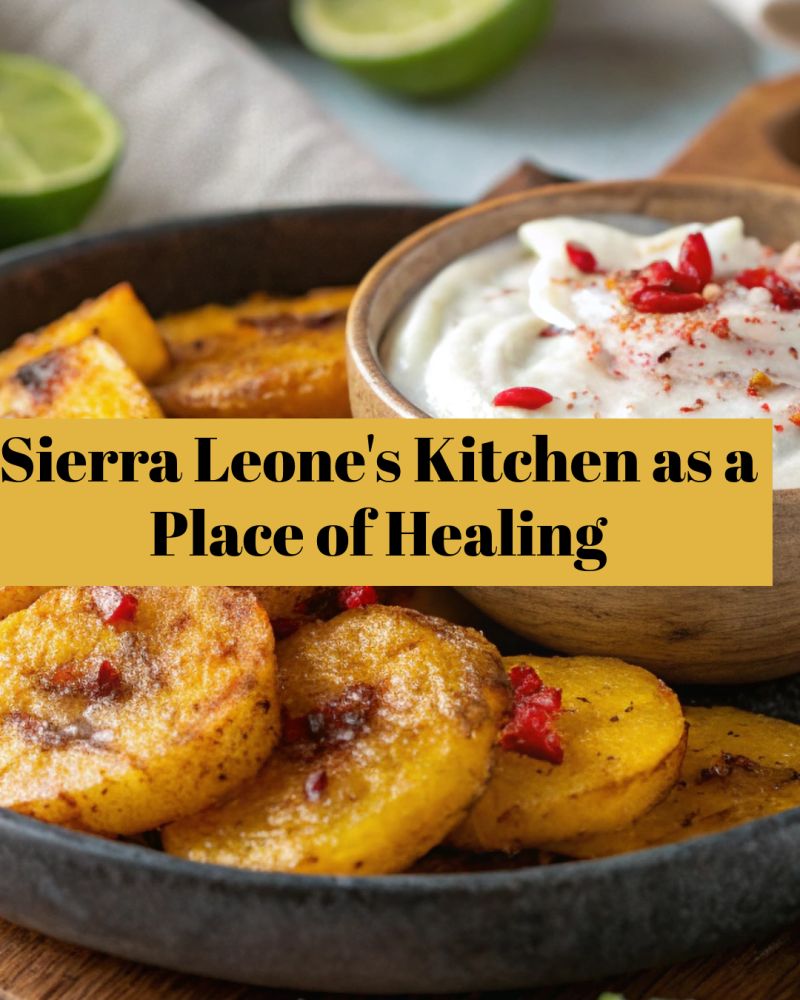
Sierra Leone’s post-conflict recovery has been shaped significantly by community-level resilience. The food traditions in this chapter reflect a culture in which communal eating is infrastructure, a way of maintaining the social bonds that formal institutions alone cannot provide. These meals are acts of community maintenance as much as nourishment.
Syria: Cooking as Memory
Syrian food traditions represent one of the most striking examples of culinary resilience in the modern era. As millions of Syrians have been displaced across the world, they have carried their food culture with them. Syrian restaurants, home kitchens, and community gatherings have become sites of cultural preservation as much as nourishment. The plant-based recipes in The Peace Cookbook‘s Syria chapter are drawn from this living tradition.
Timor-Leste: Building Something New
Timor-Leste represents a different kind of resilience: the active work of constructing a national food identity in the aftermath of independence. The recipes in this chapter reflect both deep indigenous traditions and the creative energy of a young nation deciding what it wants to carry forward. Resilience here is not only preservation. It is invention.
The Peace Cookbook is not yet available for purchase. Register on its official website to be notified of its launch, and to express interest in securing a limited signed edition or attending the exclusive New York City launch event. All proceeds benefit FPCD.